CALL US TODAY: (972) 881-5222


A well-designed room should feel current without depending heavily on short-term decorating trends. Choosing window shades in Lakewood, TX with appropriate proportions, materials, and light-control features can help homeowners create interiors that remain comfortable and adaptable as furnishings and décor change.
Window shades can also support privacy, manage natural light, introduce texture, and coordinate with the surrounding interior. Considering these factors together helps homeowners choose treatments that work with both the appearance and everyday function of the room.
Long-term design does not mean avoiding personality. Instead, it involves choosing elements that coordinate with a room and offer enough versatility to accommodate future changes.
For window treatments, three important considerations are proportion, material, and function. A shade that is appropriately scaled to the window, made from a material that complements the interior, and selected for the way the room is actually used has a better chance of continuing to work well as other design elements change.
The right shade can also soften architectural lines, introduce texture, manage daylight, and provide a consistent background for furnishings. Because of this versatility, shades can complement traditional, transitional, and contemporary interiors.
Different shade styles create noticeably different effects, and not every window requires the same treatment. The home's architecture, furnishings, colors, patterns, and desired level of light control can all influence which option works best.
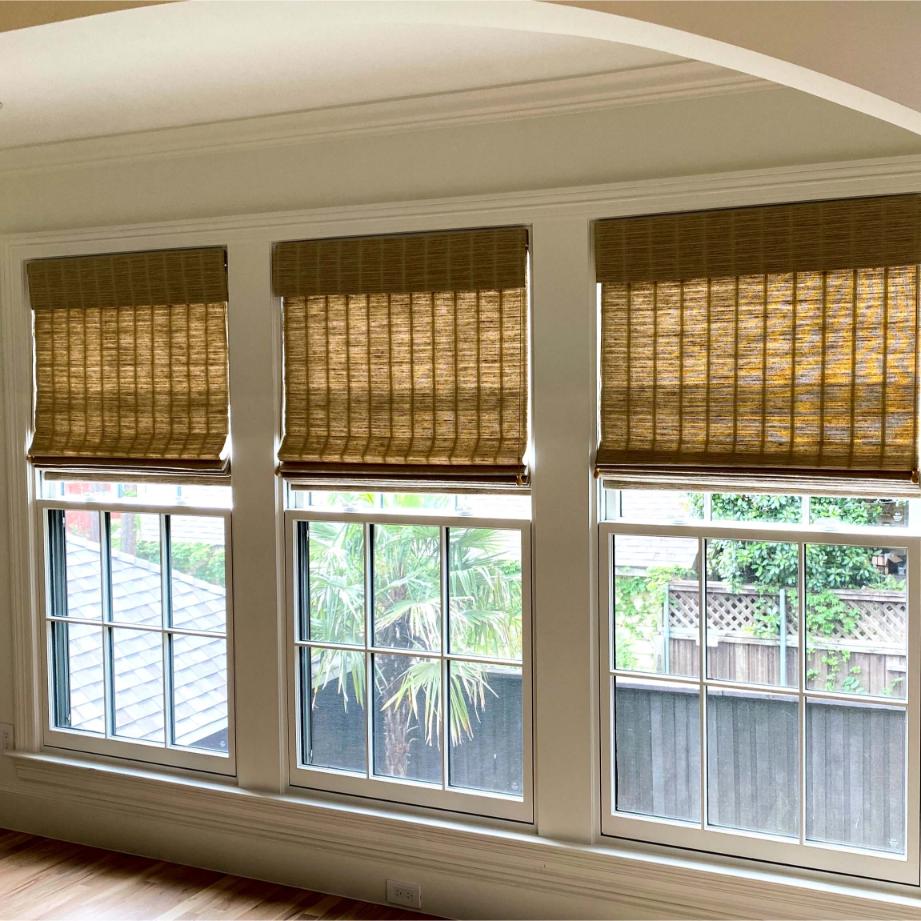
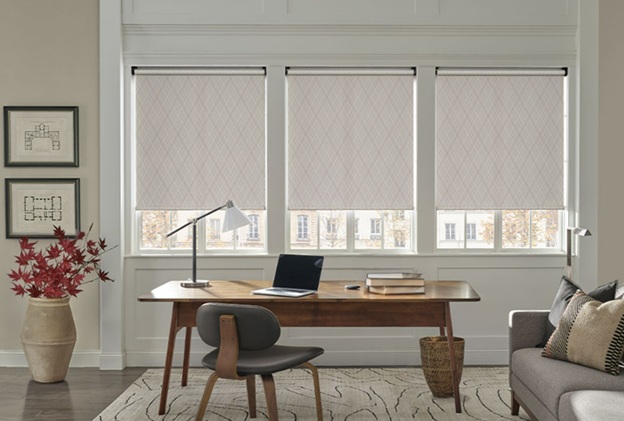
Roman shades, for example, can introduce soft fabric folds into a space. Woven shades add natural-looking texture and warmth, while streamlined roller-style options can complement rooms where clean lines are preferred. Custom shades and shutters for everyday comfort can also provide options for privacy, light filtering, room darkening, energy efficiency, and convenient operation.
The goal is not simply to choose a fashionable style, but to select a shade that coordinates naturally with the room and supports the way the space is used.
Texture can provide visual interest without depending heavily on bold colors or short-lived decorating trends. Woven materials, tailored fabrics, and subtle patterns can add dimension while remaining flexible enough to coordinate with other elements in the room.
Natural-looking woven textures can work well in spaces with wood, stone, or other organic finishes. Tailored fabrics can provide a cleaner appearance. Even a neutral shade can become an important design feature when its weave, folds, or surface texture complements materials already present in the room.
This flexibility can also make shades easier to coordinate with future furnishings. If a homeowner changes a rug, upholstery, artwork, or accent colors later, a thoughtfully selected treatment can continue to support the room instead of competing with those updates.
Appearance matters, but window shades should also make everyday spaces more comfortable. Light control and privacy are two important considerations when selecting treatments for different rooms.
A room that receives abundant sunlight may benefit from a treatment that filters harsh light while preserving useful natural brightness. Bedrooms may call for greater room-darkening capabilities. In living areas, homeowners may want privacy without completely sacrificing outdoor views.
Some shade designs can provide especially flexible control. Top-down and bottom-up configurations, for instance, can help maintain privacy while allowing daylight into the upper portion of a window. Sheer treatments can soften incoming sunlight, while cellular constructions can add an insulating layer at the glass.
For homeowners weighing these priorities, understanding how window shades improve privacy and ambiance can help explain why everyday function should be considered alongside color, material, and style.
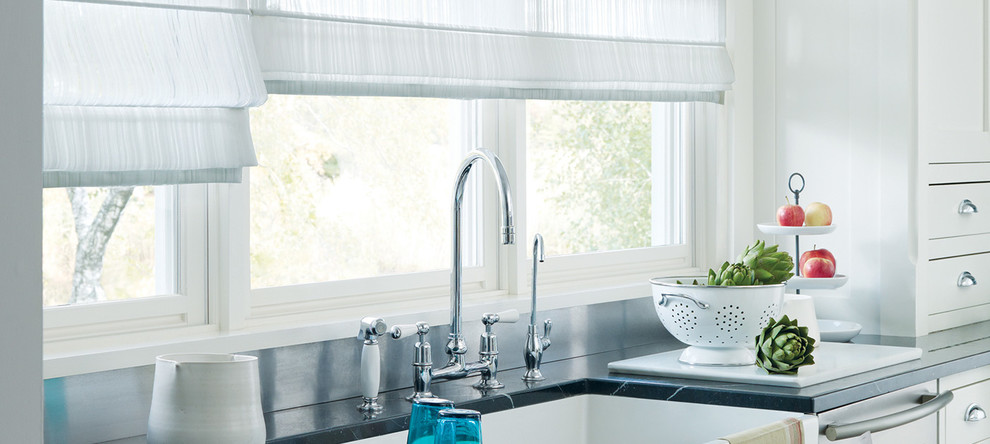
The usefulness of a window treatment extends beyond its appearance. Treatments that help manage sunlight and indoor conditions can continue providing practical value as decorating preferences change.
Cellular shades are one example. Their honeycomb construction creates air pockets that can provide additional insulation at the window. Other treatments can help manage glare and intense sunlight, which can make frequently used rooms more comfortable during brighter parts of the day.
Controlling direct sunlight may also help reduce exposure to ultraviolet rays that can contribute to fading in furnishings, flooring, artwork, and other interior materials. For rooms with significant sunlight exposure, this additional level of light management can be an important consideration.
Modern operating features can be incorporated without making the window treatment the technological focus of the room. The most useful operating system depends on the size and location of the window as well as how frequently the treatment needs to be adjusted.
Motorized shades can make it easier to manage tall windows, groups of windows, or treatments that homeowners adjust frequently throughout the day. Certain systems may also integrate with compatible smart-home technology and scheduled settings.
Technology works best as a functional enhancement rather than the main design feature. When incorporated appropriately, convenient operation can support everyday routines while allowing the shade itself to coordinate naturally with the surrounding room.
Windows vary in size, placement, proportion, and purpose. Homeowners also have different preferences for privacy, daylight, texture, and interior style. For these reasons, custom measurements and careful material selection can influence both the appearance and function of the finished treatment.
The complete space should be considered when selecting a shade. Window dimensions, nearby architectural details, furniture placement, sunlight exposure, and the way the room is used can all affect which treatment is appropriate.
Professional measurements are also important because a properly proportioned and fitted treatment can operate more effectively and coordinate better with the individual window. Materials, dimensions, operation, and installation should be considered together rather than as separate decisions.
A custom approach also provides greater flexibility when dealing with unusually sized windows, groups of windows, or spaces with specific privacy and light-control requirements.
Window shades can remain useful as a home's interior changes when they are selected with proportion, material, light control, privacy, and everyday operation in mind. Considering these factors together can help homeowners choose treatments that work with the room now while remaining adaptable over time.
For homeowners considering window shades in Lakewood, TX, Custom Drapery Designs, LLC can help compare materials, operating options, light-control features, and custom configurations. Visit the custom window shades consultation page to explore available options or call (972) 881-5222 to discuss your window treatment needs.