CALL US TODAY: (972) 881-5222


A thoughtfully designed family home often feels welcoming because the different elements of the room work together. Window coverings in Highland Park, TX, can contribute to the overall design by adding softness, proportion, privacy, and greater control over natural light.
Carefully selected drapery can also coordinate with furniture, wall colors, flooring, and decorative accents. Rather than dominating the surroundings, the right treatment can become a functional part of the interior while supporting the comfort and appearance of spaces used throughout the day.
Family rooms, living rooms, and dining areas often serve several purposes throughout the day. These spaces may host relaxed mornings, conversations, quiet evenings, and special gatherings. Window coverings, particularly fabric treatments, can add warmth through texture and movement, helping frequently used rooms feel more comfortable.
Materials with a softer drape can reduce the visual effect of strong architectural lines, while subtle patterns introduce interest without overwhelming the room. These characteristics allow fabric treatments to contribute to the room's design while remaining practical for everyday family life.
The amount of fabric, its texture, and the way it hangs can also influence how substantial a window treatment appears. Considering these details in relation to the size of the windows and surrounding furnishings can help maintain appropriate proportions throughout the room.
Sunlight can dramatically influence how an interior looks and feels. Softly filtered daylight may make a room feel calm and spacious, while stronger illumination can create a brighter environment for everyday activities.
Drapery allows homeowners to adjust how natural light enters a room throughout the day. Layered designs can provide additional flexibility, helping create comfortable surroundings for reading, relaxing, entertaining, or spending time together.
Different rooms may also require different levels of light management. A family room used throughout the day may benefit from filtered daylight, while spaces used for television viewing or computer work may require more control over glare.
Considering the direction of the windows and the amount of sunlight each room receives can help determine which fabric, lining, and treatment configuration is most appropriate.
Privacy is especially important in bedrooms, living areas, and other spaces where family members want to feel comfortable. Thoughtful window coverings and fabric selections can provide a greater sense of seclusion while maintaining useful natural light.
The key is finding an appropriate balance between coverage and visual openness. When the fabric, fullness, and proportions of the window coverings are carefully considered, privacy can become an integrated part of the room's design rather than an element selected only for function.
Homes facing streets, neighboring properties, sidewalks, or active outdoor areas may require different privacy solutions from rooms that face more secluded surroundings. Considering the location and use of each room can make it easier to determine the appropriate level of coverage.
A coordinated interior does not require elaborate decoration. Often, consistency between materials, colors, proportions, and surrounding furnishings creates a stronger result. Custom drapery for comfortable family spaces can reinforce an established design direction by repeating colors, textures, or visual elements already present in the room.
Homeowners can consider several details when creating a coordinated look:
-Fabric character: Select materials that complement the room's overall level of formality.
-Color relationship: Coordinate tones with walls, furnishings, rugs, and decorative accents.
-Pattern scale: Choose patterns that suit the proportions and visual activity of the space.
-Length and fullness: Use appropriate proportions based on the windows and surrounding furnishings.
-Decorative details: Consider trims, pleats, and hardware that support the design without creating unnecessary visual clutter.
These elements can work together while still allowing the room to reflect the family's preferences and everyday needs.
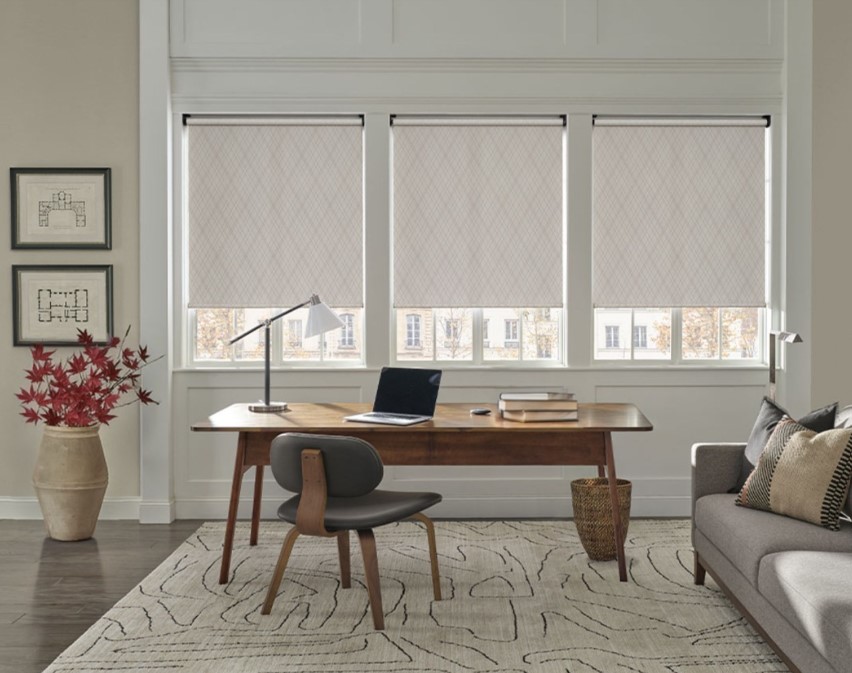
A room can benefit from having a clear focal point supported by quieter design elements. Window coverings, including drapery, can serve either role depending on the fabric, pattern, color, and configuration.
Using window coverings that frame outdoor views can also direct attention toward the scenery while creating a visual connection between the interior and exterior. A distinctive pattern may become a noticeable feature in a simpler room, while a quieter material can support artwork, furniture, or architectural details.
This flexibility makes fabric window coverings useful when homeowners want to introduce personality without making a room feel overly decorated. The treatment can be selected according to how prominent or subtle the window should appear within the overall interior.
Family homes often include adjoining rooms that can be viewed from one another. Creating a subtle visual connection between these areas can help the home feel more unified.
Drapery does not need to match exactly from room to room. Instead, related tones, complementary patterns, or similar fabric textures can establish continuity while allowing each space to retain its own identity.
This approach can be particularly useful in open living areas where several functional zones share the same sightlines. For example, a living room and adjoining dining area might use related colors while incorporating different fabrics or patterns appropriate for each space.
Maintaining a few consistent design elements can create continuity without requiring every window treatment to look identical.
Bedrooms benefit from design choices that support rest, privacy, and personal comfort. Soft fabrics can help reduce the visual effect of harder architectural surfaces while adding depth to the room.
Muted tones can create a quieter environment, while richer fabrics can introduce additional color or texture. Coordinating drapery with bedding, rugs, and upholstered furnishings can help the different elements of the bedroom work together without making the space feel overly formal.
Light control is another important consideration. Depending on personal preferences and sleeping schedules, homeowners may choose light-filtering fabrics, lined drapery, or room-darkening options.
The appropriate treatment depends on how much natural light enters the bedroom, the level of privacy required, and how the room is used throughout the day.
A successful family home should still feel personal. A household with a relaxed lifestyle may prefer understated fabrics and subtle textures, while another family may enjoy expressive patterns, stronger colors, or traditional detailing.
Window treatments do not have to follow every current decorating trend. Instead, materials and styles can be selected according to the home's architecture, existing furnishings, and the preferences of the people who use the space.
Choosing materials and styles that reflect the household's preferences can help create rooms that remain comfortable and practical as decorating needs change.
Personalization can also be subtle. Fabric texture, trim, hardware, pleat style, and color can introduce individual character without requiring a dramatic treatment.
Decorating trends can provide inspiration, but homeowners may also want window treatments that remain adaptable as furnishings and accessories change.
Versatile colors and materials can provide a useful foundation when rugs, artwork, upholstery, or accent colors are updated later. Treatments that coordinate with the home's architectural features can also remain relevant even when other decorative elements change.
Function should be considered alongside appearance. Privacy requirements, sunlight exposure, ease of operation, and the amount of coverage needed can influence whether a treatment continues to meet the household's needs over time.
Focusing on material quality, appropriate proportions, practical performance, and compatibility with the surrounding interior can help homeowners select window coverings that continue to work as the room evolves.
Choosing window coverings involves more than selecting a fabric or color. Privacy, natural light, room proportions, furnishings, and everyday use can all influence which treatment works best for a particular space.
For homeowners considering window coverings in Highland Park, TX, Custom Drapery Designs, LLC can help compare materials, styles, and custom options for different rooms. Visit the custom window treatment consultation page to explore available options or call (972) 881-5222 to discuss your window treatment needs.