CALL US TODAY: (972) 881-5222


Bright sunlight can make a home feel warm and inviting, but too much direct light can also create uncomfortable glare. Many homeowners looking for window coverings in Lakewood, TX want ways to maintain natural light while reducing eye strain and improving visibility indoors. Glare often occurs when sunlight reflects off televisions, computer screens, hardwood flooring, or glossy surfaces, making daily activities less comfortable. Choosing the right window treatments can help create a more balanced and functional living environment without making rooms feel dark.
Glare develops when sunlight enters a room at intense angles or reflects strongly from surfaces inside the home. Rooms with large windows or west-facing exposure often experience the most noticeable glare during afternoon hours. Excessive brightness can make reading difficult, disrupt screen visibility, and create discomfort for people spending long periods indoors.
Window coverings help soften incoming light before it spreads throughout the room. Different materials and treatment styles allow homeowners to control brightness levels while still enjoying natural sunlight. Selecting the right solution depends on the room’s orientation, the amount of light exposure, and the desired appearance of the space.
For homeowners exploring local options, browsing custom window coverings for Lakewood homes can help identify treatments suited for specific lighting conditions and home styles.
Different types of window treatments offer varying levels of glare control. Some diffuse sunlight gently, while others provide stronger filtering for rooms with intense sun exposure.
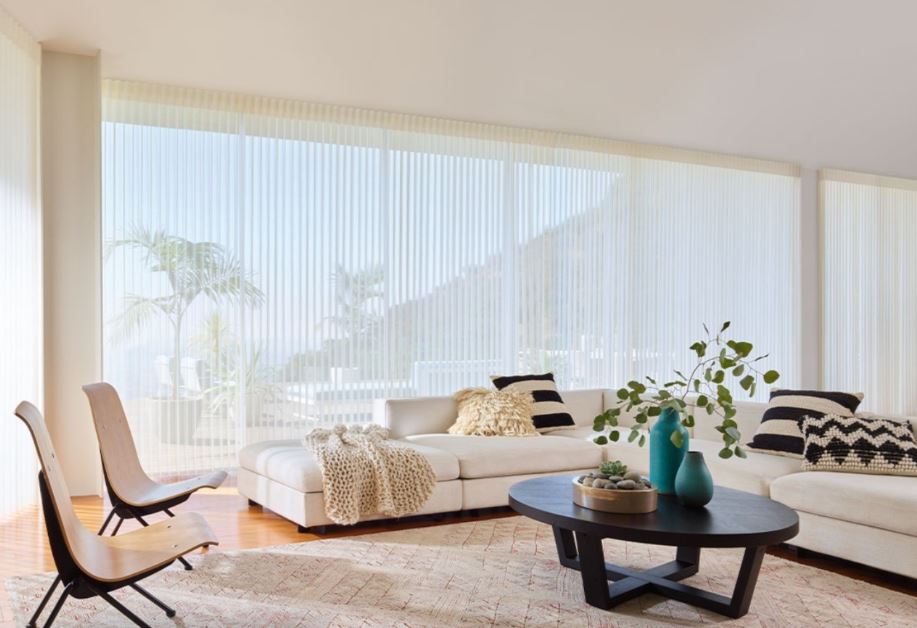
Sheer shades soften incoming sunlight without fully blocking outdoor views. They create a diffused glow that reduces harsh reflections while maintaining an open and airy appearance.
Light filtering window shades for sunny rooms are popular for managing glare in living rooms, offices, and bedrooms. These treatments reduce brightness while still allowing natural light to enter the room.
Cellular or honeycomb shades trap light within layered fabric pockets, helping minimize glare while also improving insulation. They are especially useful in rooms that receive prolonged sunlight throughout the day.
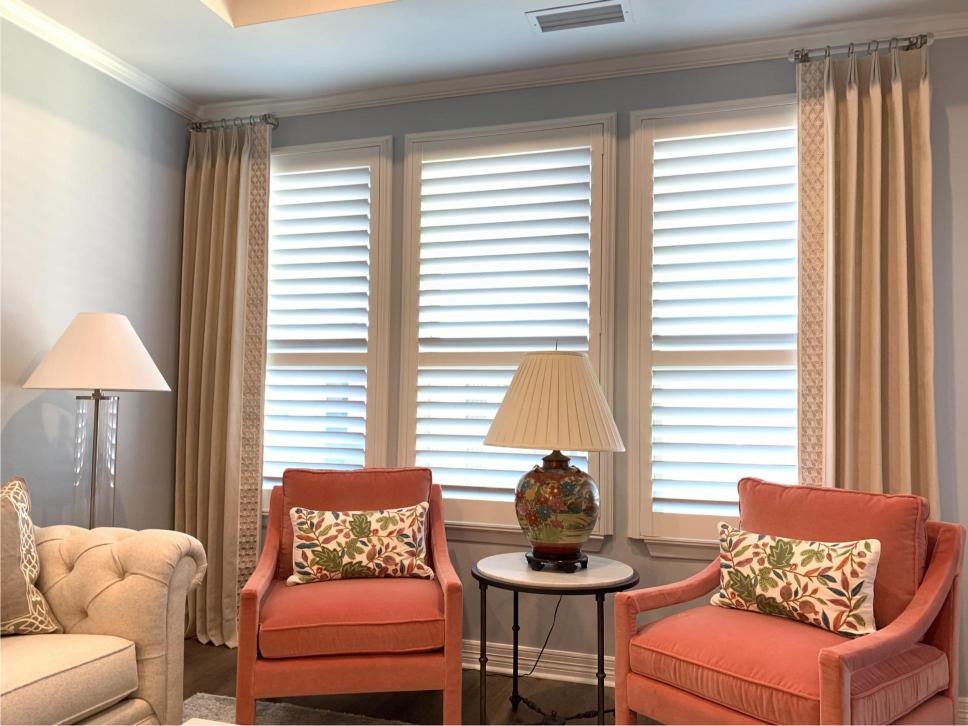
Wood blinds, faux wood blinds, and shutters provide adjustable light control. Tilting the slats redirects sunlight away from reflective surfaces while still allowing partial daylight indoors.

The fabric and material used for window coverings significantly influence how light behaves inside a room. Light-filtering materials soften brightness without creating a heavy appearance, while thicker fabrics provide stronger glare reduction for areas exposed to intense sunlight.
Textured materials also help scatter incoming light more evenly across the room. This prevents concentrated brightness from forming on screens, floors, or furniture surfaces. Selecting the right opacity level helps maintain a comfortable balance between visibility and privacy.
Homeowners comparing styles may also find inspiration in this related blog about window shades for cohesive open floor plans.
Layering multiple window treatments is an effective way to manage changing sunlight throughout the day. Combining sheer curtains with heavier drapes allows homeowners to adjust lighting conditions as needed.
For example, sheer layers can soften morning light while blackout or lined drapery panels can provide stronger protection during peak afternoon sunlight. This flexibility helps create a more comfortable environment without sacrificing style.
Layered treatments can also add visual depth and texture to living spaces, making them both practical and decorative.
The direction a window faces plays a major role in glare intensity. South-facing and west-facing windows generally receive the strongest sunlight, especially during midday and afternoon hours. Adjustable coverings make it easier to respond to shifting light conditions throughout the day.
Properly fitted treatments help reduce direct exposure while maintaining natural brightness indoors. Tailored solutions are especially beneficial for oversized windows, tall openings, or uniquely shaped spaces where standard coverings may not provide adequate coverage.
Reducing glare is only one advantage of installing well-designed window coverings. Many treatments also help improve indoor comfort by limiting heat gain during warmer months. This can help rooms feel cooler and more consistent throughout the day.
Window treatments may also help protect flooring, furniture, and artwork from fading caused by prolonged sun exposure. In addition, they provide privacy while enhancing the overall appearance of the home’s interior design.
Managing excessive sunlight does not mean eliminating natural light completely. The goal is to create a balanced environment where rooms feel bright, comfortable, and functional throughout the day. With thoughtfully selected window coverings, homeowners can reduce glare while preserving the inviting atmosphere natural light provides.
To learn more about tailored window coverings in Lakewood, TX, contact Custom Drapery Designs, LLC at (972) 881-5222 or schedule a custom window coverings consultation for additional information.
Window coverings can significantly reduce glare, although complete elimination depends on factors such as window orientation and sunlight intensity.
Yes. Sheer materials help diffuse sunlight, softening brightness while still allowing natural light indoors.
Layered treatments and adjustable blinds are effective because they allow homeowners to adapt to changing sunlight throughout the day.
Yes. Many treatments help reduce heat gain, which can contribute to a more comfortable indoor temperature.
Consider the room’s sunlight exposure, privacy needs, and overall design preferences. Customized solutions often provide the best balance between comfort and style.