CALL US TODAY: (972) 881-5222


Choosing window shutters involves more than finding a treatment that fits the window. Shutters also influence how natural light enters a room, how much privacy homeowners can maintain, and how the windows coordinate with surrounding architectural details.
For homeowners considering window shutters in University Park, TX, the home's existing interior style is an important starting point. Materials, finishes, frame configurations, and louver sizes can all affect whether shutters complement traditional, modern, or transitional spaces.
Understanding these differences can help homeowners select window treatments that support both their decorating preferences and everyday needs.
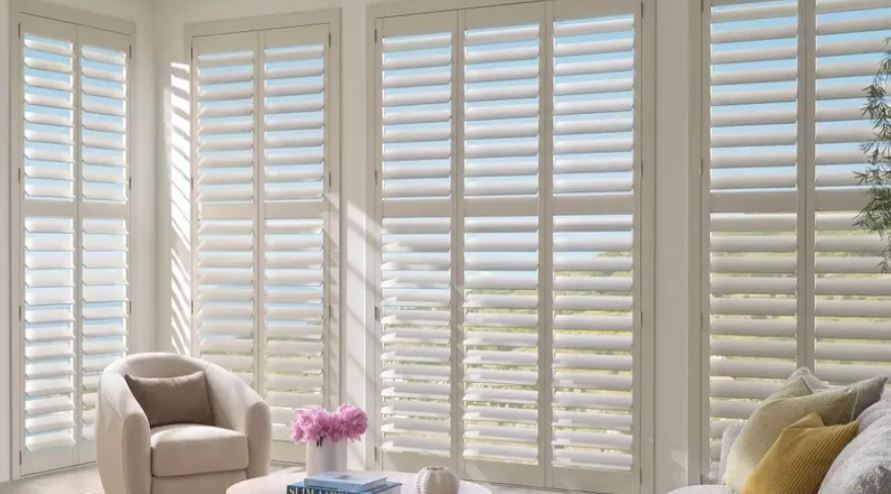
Window shutters can work with several interior design styles because their materials, finishes, and configurations can be selected to suit different rooms.
Unlike fabric treatments that introduce softness and movement, shutters add defined lines and architectural structure around a window. Depending on their design, they can blend with surrounding trim or become a more noticeable feature.
Before selecting a shutter style, consider the room's existing wall colors, flooring, furniture, window proportions, and architectural details. These elements can help determine which materials and finishes are appropriate.
The objective is to choose shutters that complement the room while providing practical light control and privacy.
Traditional interiors often include detailed woodwork, decorative molding, warm colors, and furniture with established design characteristics.
Window shutters with classic panel arrangements and finishes that coordinate with the surrounding trim can complement these features without drawing unnecessary attention away from the room.
Painted shutters in warm white, ivory, or other neutral shades may work well with decorative molding and traditional furnishings. Natural wood finishes can also coordinate with hardwood flooring, cabinetry, and wooden furniture.
Traditional shutters can complement a room's existing character when their finishes, panel arrangements, and framing are selected with the surrounding interior in mind. Homeowners should consider how these details relate to architectural features, furniture, and other materials already present in the space.
Several design details can help homeowners select shutters for traditional interiors:
-Warm white finishes: Coordinate with cream walls, decorative molding, and traditional furnishings.
-Natural wood tones: Complement hardwood flooring, wooden cabinetry, and classic furniture.
-Symmetrical panel arrangements: Provide a balanced appearance around windows, particularly in more formal rooms.
-Decorative framing: Can complement existing architectural details when the proportions and finish are carefully selected.
Shutter finishes do not have to match every surface exactly. However, considering how they relate to nearby trim, furniture, and flooring can help create a consistent appearance.
Modern interiors generally emphasize simplicity, uncluttered surfaces, and carefully selected materials.
Window shutters can support this design direction through streamlined frames, understated finishes, and louver sizes that suit the proportions of the window.
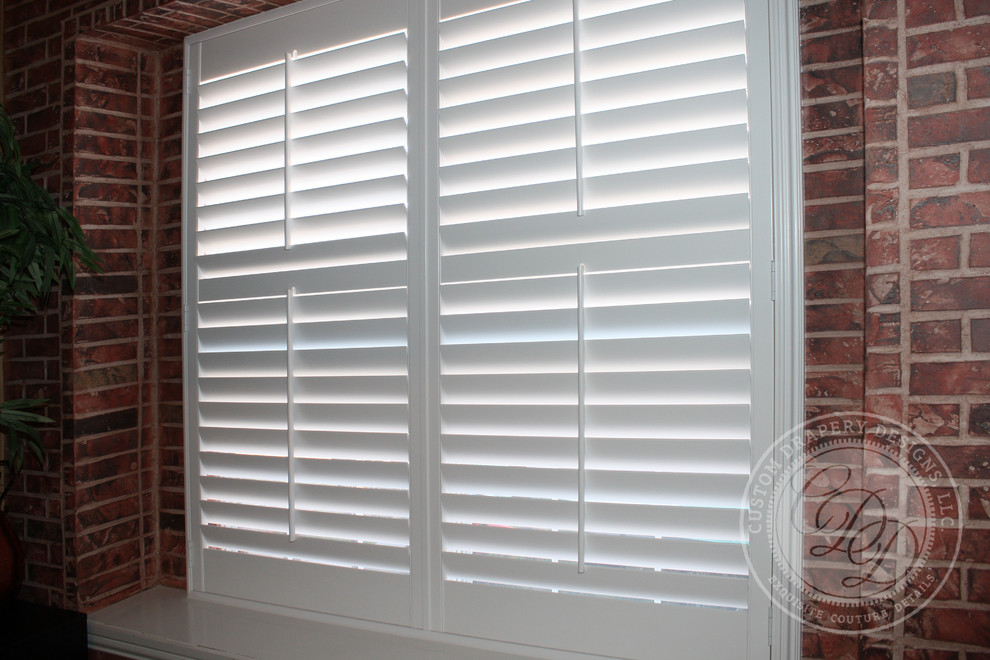
Wider louvers may create a less visually busy appearance, depending on the window dimensions and shutter configuration. When opened, they can also provide broader spaces between the slats for daylight and outside views.
White, charcoal, and other neutral finishes can coordinate with contemporary color palettes. The appropriate choice depends on the surrounding walls, flooring, furniture, and architectural details.
Homeowners exploring custom shades and shutters for contemporary interiors can compare materials, finishes, and operating features based on their rooms' practical requirements.
Modern shutters can maintain a clean, streamlined appearance through simple frame profiles, balanced louver proportions, and finishes that coordinate with the surrounding interior. Choosing understated framing can complement contemporary architectural lines without introducing unnecessary decorative details. Louver sizes should also suit the window dimensions, helping create a balanced appearance while allowing homeowners to adjust natural light and privacy.
The shutter finish is another important consideration. Coordinating colors and materials with nearby walls, trim, flooring, and cabinetry can help the window treatments blend naturally with the room's design. Beyond appearance, homeowners should consider how frequently the shutters will be adjusted for daylight, privacy, and outdoor views. Balancing these practical needs with simple design choices allows shutters to complement modern interiors while remaining functional for everyday use.
Transitional interiors combine characteristics of traditional and contemporary design. They may include classic furniture alongside simpler architectural details, or modern finishes paired with warmer materials.
Shutters can work within these spaces because their structured appearance can complement both design directions.
Neutral finishes, balanced panel arrangements, and carefully selected louver sizes can provide a connection between traditional and contemporary elements.
Selecting shutters for a transitional interior involves balancing traditional details with contemporary simplicity. Homeowners can focus on existing furnishings, architectural features, and practical needs to choose shutters that complement the room without favoring one design style too heavily.
When choosing shutters for a transitional interior, homeowners can follow these steps:
1. Evaluate existing furniture. Identify whether the room's furnishings lean toward traditional detailing, contemporary simplicity, or a combination of both.
2. Coordinate with architectural trim. Consider shutter finishes that complement nearby molding, window frames, and other permanent features.
3. Review natural lighting needs. Choose louver proportions and configurations that support the desired balance between daylight and privacy.
4. Maintain visual consistency. Related finishes or frame styles can help connect adjoining rooms without requiring identical treatments.
5. Consider future decorating changes. Versatile finishes and straightforward configurations may be easier to coordinate with updated furniture, artwork, or accessories.
For additional ideas, homeowners can explore matching window shutters with your home's architectural style to understand how window treatments can relate to existing architectural features.
Different interior styles may benefit from different shutter finishes, frame configurations, and louver proportions. The following comparison provides a starting point for selecting shutters based on the surrounding room.
These suggestions are not strict design rules. A shutter finish that works well in one traditional room may be less appropriate in another because of differences in flooring, trim, furniture, or natural light.
Evaluating the complete room can help homeowners narrow their options without relying only on broad design categories.

Appearance is an important part of choosing shutters, but the treatment also needs to work with the room's lighting conditions, privacy requirements, and window dimensions.
A shutter that coordinates with the interior may still be unsuitable if its configuration interferes with nearby architectural features or does not provide the desired level of light control.
Adjustable louvers allow homeowners to change the amount and direction of incoming daylight.
In living rooms, shutters may help manage sunlight while preserving a view outdoors. Bedrooms and street-facing rooms may require more coverage during certain hours.
Privacy can also change between daytime and evening. When indoor lights are on after sunset, closing or repositioning louvers may provide additional coverage.
Wood and composite shutter materials can differ in appearance, maintenance requirements, and suitability for certain room conditions.
Homeowners should consider sunlight exposure, moisture, cleaning preferences, and the characteristics of the selected product before choosing a material.
The appropriate option depends on the room rather than appearance alone.
Window dimensions, surrounding trim, mounting depth, and architectural features can influence shutter configuration.
Louver size and panel arrangements should relate to the dimensions of the opening. Arched windows, narrow openings, and groups of windows may require additional planning.
Accurate measurements can help determine a suitable configuration and support proper operation after installation.
Shutters do not need to be identical throughout the home.
A bedroom may require greater privacy, while a living room may prioritize daylight and outside views. Different configurations can address these needs while maintaining a connection through related finishes, frame styles, or materials.
Considering these factors together can help homeowners select shutters that remain practical as their rooms and decorating preferences change.
Selecting shutters involves balancing interior style with everyday requirements. Materials, finishes, frame proportions, louver sizes, privacy, and natural light can all influence which treatment is appropriate for a particular room.
For homeowners considering window shutters in University Park, TX, Custom Drapery Designs, LLC can help compare shutter styles, materials, and configurations based on existing architectural details and individual room needs.
Learn more about our custom window treatment design approach, or call (972) 881-5222 to discuss shutter options for your home.