CALL US TODAY: (972) 881-5222

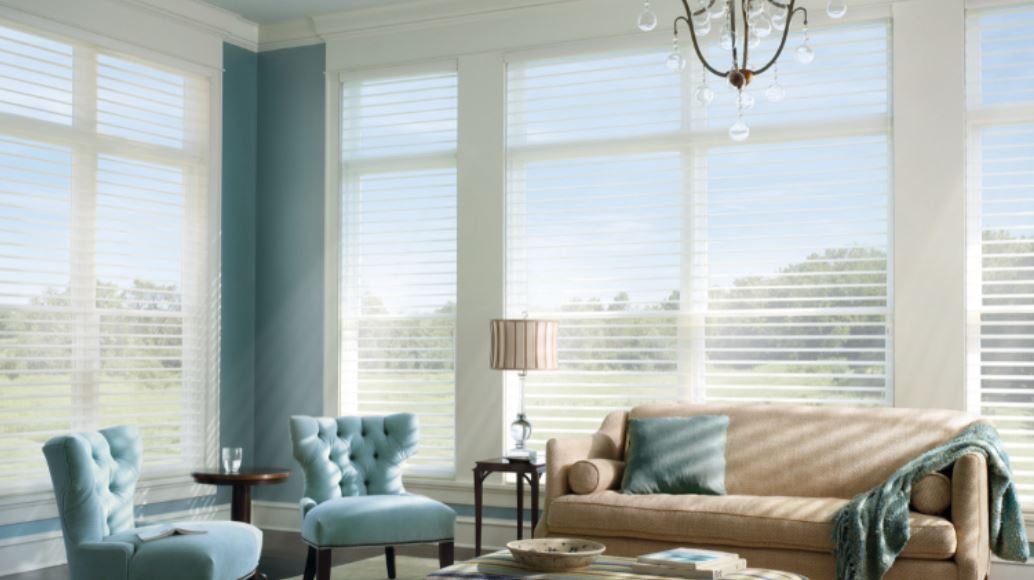
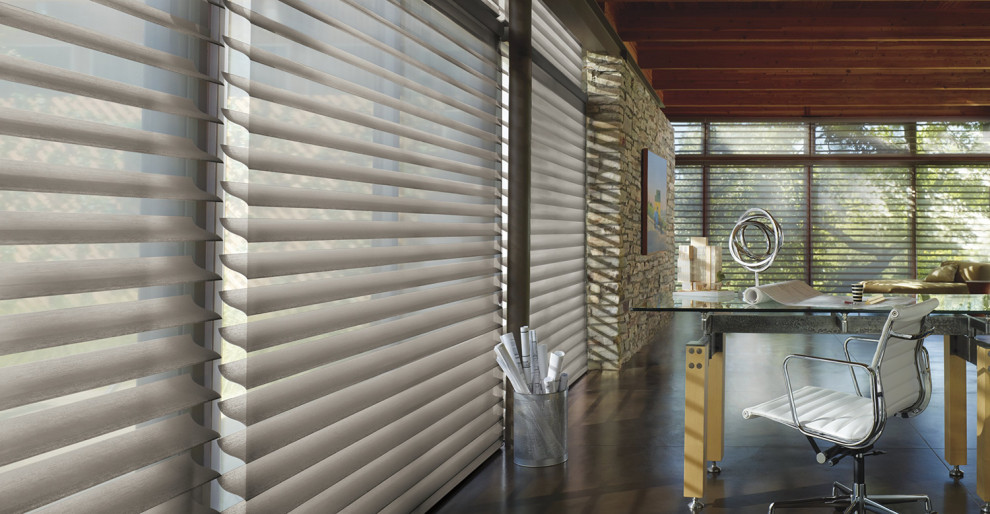
Window treatments can influence how a room manages natural light, privacy, and everyday comfort while also contributing to its overall design. For homeowners considering window blinds in Highland Park, TX, adjustable slats provide a practical way to manage changing light and privacy needs throughout the day.
Material, color, finish, proportions, and operating style can also affect how blinds coordinate with the surrounding interior. Considering both appearance and function helps homeowners choose treatments suited to the room rather than focusing on design alone.
Few window treatments provide the same type of adjustable light control as blinds. Their horizontal or vertical slats can be repositioned throughout the day, allowing homeowners to change how much natural light enters without necessarily covering the entire window.
For example, homeowners can tilt the slats to soften direct sunlight while still allowing natural light into the space. The same flexibility can provide additional privacy when needed without requiring the blinds to remain fully closed. This is one reason blinds help improve privacy with style, particularly in rooms where privacy and natural light are both important.
This flexibility can be useful in living rooms, bedrooms, dining areas, and home offices. The appropriate configuration depends on the window, the direction of incoming sunlight, and how the room is used throughout the day.
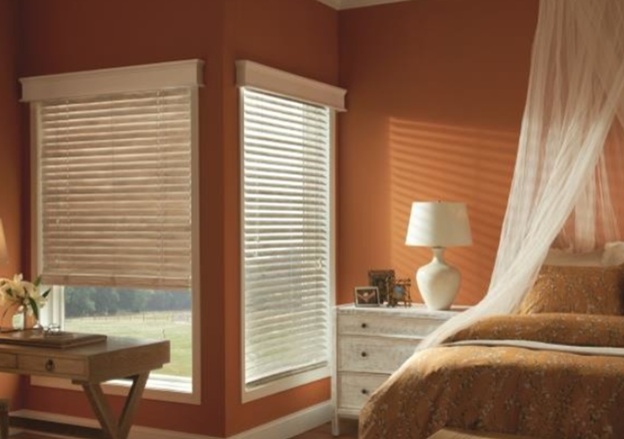
Different blind materials can create noticeably different effects within an interior. Wood blinds can add natural texture and coordinate with traditional, transitional, or wood-accented spaces. Faux wood options can provide a similar appearance while offering practical characteristics that may suit rooms where moisture or frequent cleaning is a consideration.
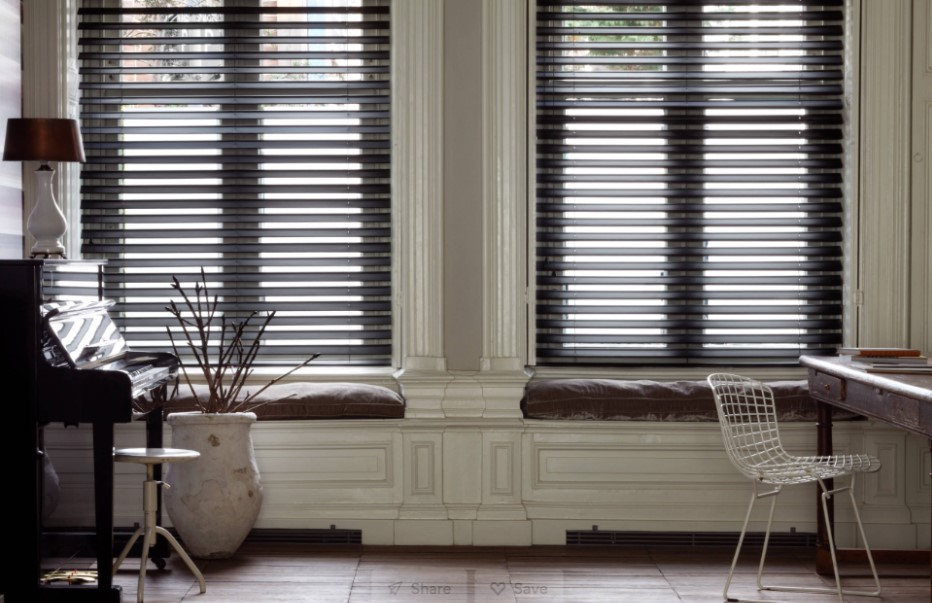
Other materials and finishes can work well in interiors where cleaner lines or simpler visual details are preferred. Color also plays an important role. Blinds may coordinate closely with surrounding trim or provide subtle contrast depending on the overall direction of the room.
Rather than selecting blinds as an isolated feature, homeowners can consider how the material, finish, and proportions relate to furniture, flooring, wall colors, cabinetry, and other architectural details.
Appearance is important, but the usefulness of window blinds becomes especially noticeable during everyday activities. Adjustable slats provide flexibility as sunlight, privacy needs, and room activities change.
Properly selected blinds can help:
-Manage natural light: Adjust slats as sunlight changes throughout the day.
-Increase privacy: Reduce visibility into bedrooms, living areas, and street-facing rooms.
-Reduce unwanted glare: Control direct sunlight around televisions and computer screens.
-Support indoor comfort: Limit intense sunlight entering frequently used areas.
-Manage solar heat: Adjust blinds during periods of stronger direct sunlight.
Every room serves a different purpose, which is why the same blind configuration may not be appropriate throughout an entire home. Bedrooms, kitchens, living areas, and home offices can each have different requirements for light, privacy, materials, and operation. Customized window blinds options provide homeowners with greater flexibility to select treatments based on the specific needs and conditions of each space.
The location of a window can influence which blind material is most practical. A material that works well in a formal living room may not necessarily be the preferred choice for a kitchen, bathroom, bedroom, or frequently used family space.
Wood blinds can provide natural variation in grain and finish, making them suitable for rooms where wood elements are already part of the interior. Faux wood blinds may be considered in areas where homeowners want a wood-like appearance with different maintenance or moisture considerations.
Room conditions should also be taken into account. Sunlight exposure, humidity, frequency of use, and cleaning requirements can all influence material selection.
Thinking about these practical factors before selecting a finish can help homeowners choose blinds that coordinate with the room while supporting its everyday use.
Blind selection is not only about material and color. The dimensions of the window and the proportions of the blind can influence how the finished treatment looks and operates.
Larger windows may require different considerations from smaller or narrower openings. Slat size can affect the amount of visible structure at the window as well as the level of outdoor visibility available when the blinds are open.
Window trim, nearby cabinetry, furniture placement, and other architectural details can also affect how a treatment should be measured and positioned. Considering these features together can help the blind feel appropriately scaled to the surrounding room.
Professional measurements are particularly important for custom treatments. Accurate dimensions help ensure that the finished blinds fit the intended window and operate properly after installation.
Privacy requirements often change depending on the room and the time of day. A living room facing a street may require more coverage during the evening, while a bedroom may need consistent privacy throughout the day.
Adjustable slats allow homeowners to modify visibility without necessarily blocking all-natural light. Tilting the slats can limit direct views into the room while still allowing daylight to enter.
The direction of the windows should also be considered. Street-facing windows, neighboring properties, walkways, and outdoor gathering areas can create different privacy needs.

The amount and direction of sunlight entering a room can change significantly from morning to afternoon. A treatment that works well during softer morning light may need to provide greater control when direct sunlight reaches the window later in the day.
Adjustable blinds make it possible to respond to these changes without keeping the window fully covered. Slats can be repositioned to redirect sunlight, reduce glare, or provide additional coverage when needed.
This can be particularly useful in home offices and entertainment spaces, where glare on screens may interfere with everyday activities. Dining areas and living rooms may benefit from greater flexibility when homeowners want natural light without intense direct sunlight.
Considering how sunlight moves through each room can help determine the type of blind and operating configuration that will be most practical.
Decorating preferences naturally change over time, so homeowners may want window treatments that can coordinate with future updates to furniture, paint colors, flooring, and accessories. Considering both appearance and everyday performance can help homeowners select blinds that remain practical as the room changes.
Neutral or adaptable finishes can provide flexibility when other elements of the room change. Material selection is also important because different rooms may place different demands on the treatment.
Durability should be considered alongside appearance. Frequency of operation, exposure to sunlight, cleaning requirements, and room conditions can all affect which material and configuration are appropriate.
Proper measurements and installation also contribute to long-term function. A treatment designed for the individual window can fit more accurately and operate as intended.
By considering material, proportions, operation, maintenance, and surrounding interior details together, homeowners can select blinds based on both current needs and how the room may change over time.
Choosing window blinds involves considering more than color and appearance. Light exposure, privacy, window proportions, room use, materials, and operating preferences can all influence which treatment works best for a particular space.
For homeowners considering window blinds in Highland Park, TX, Custom Drapery Designs, LLC can help compare materials, finishes, operating options, and custom configurations. Connect with our team about custom window blinds to explore available options or call (972) 881-5222 to discuss your window treatment needs.